
Fragrance Family
earthy
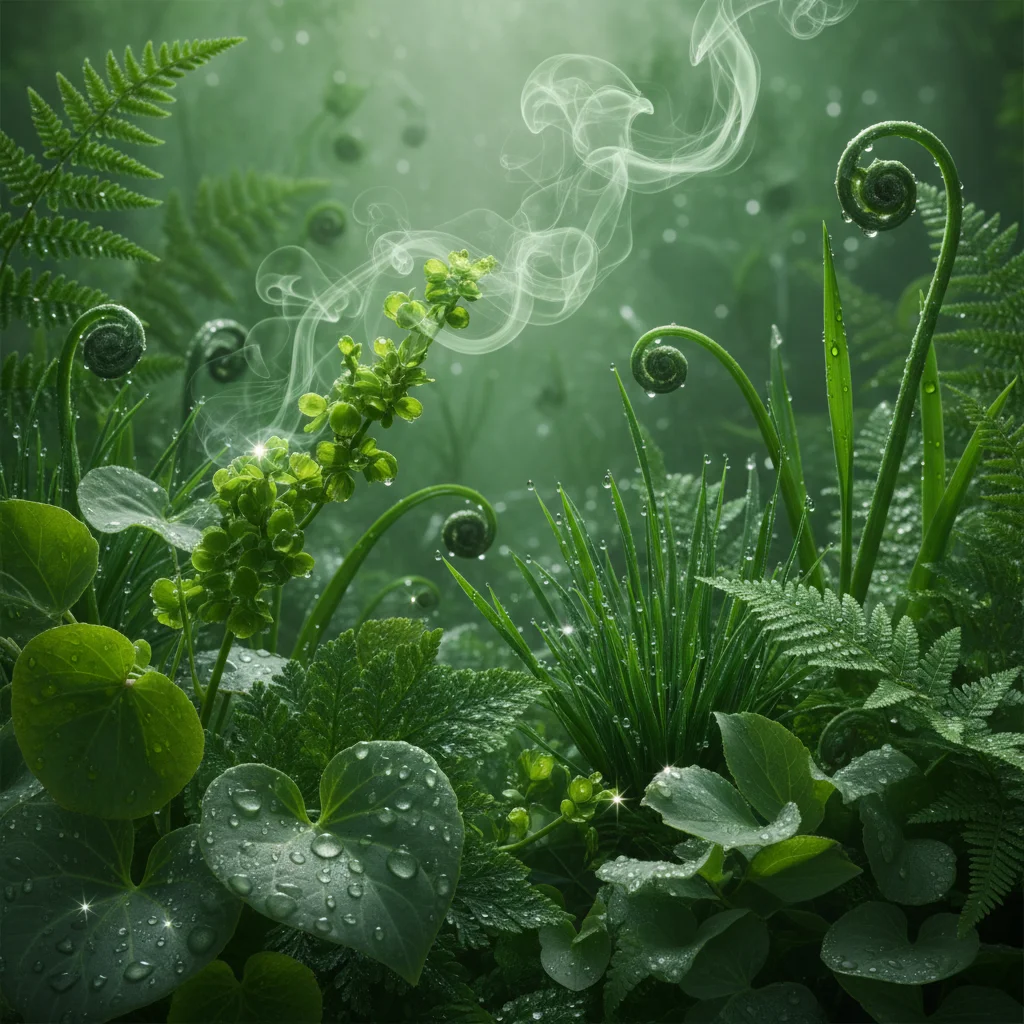
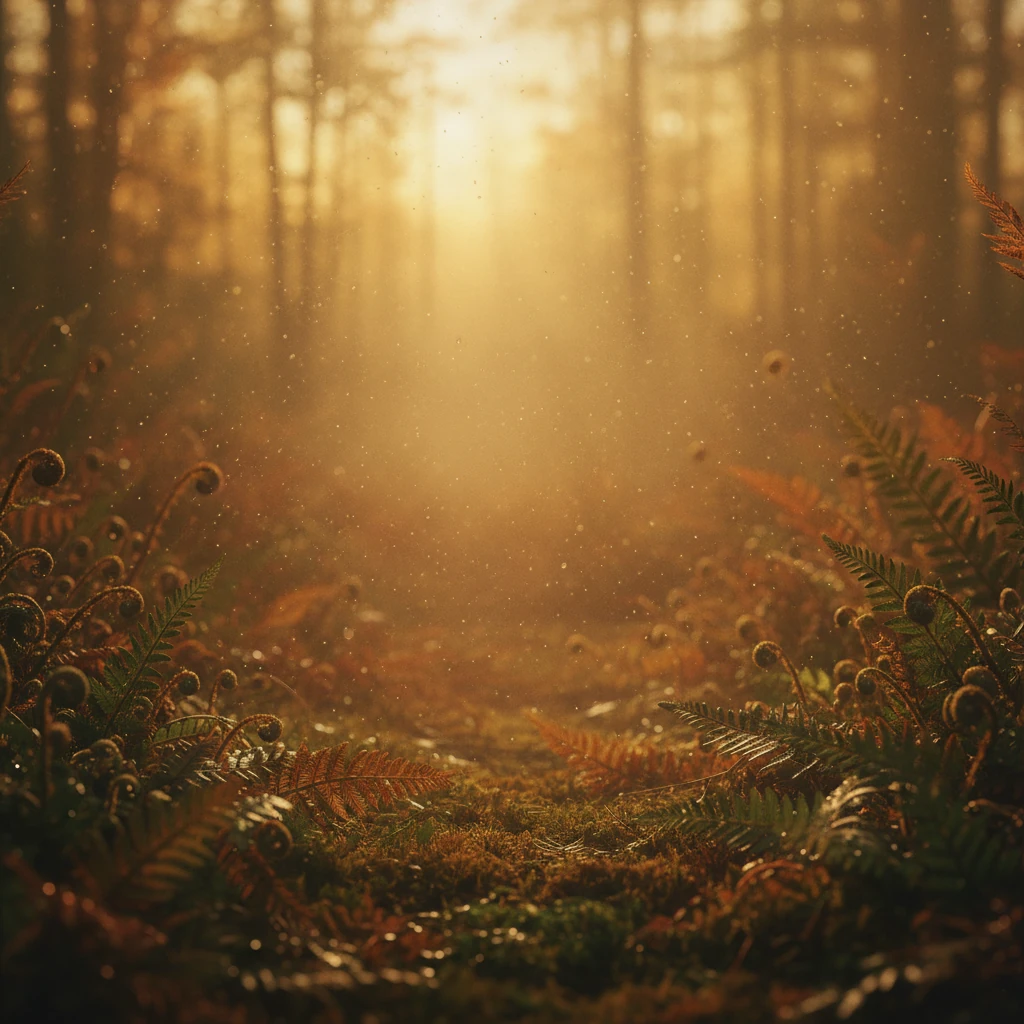
Rain-soaked earth, damp forest paths, petrichor. Earthy fragrances are for the woman who finds something deeply satisfying about a wet Sunday walk.
Editor's Picks











All earthy Fragrances






































































What Defines Earthy Fragrances?
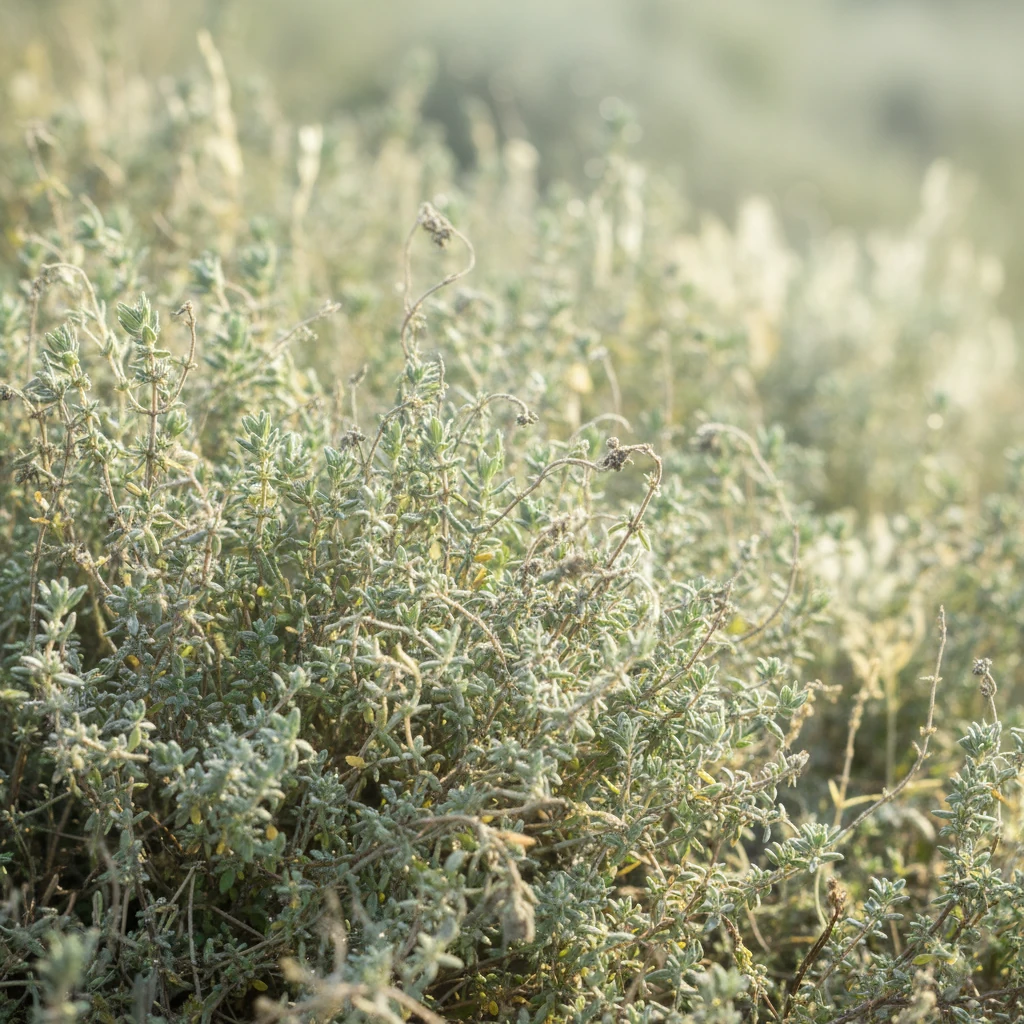
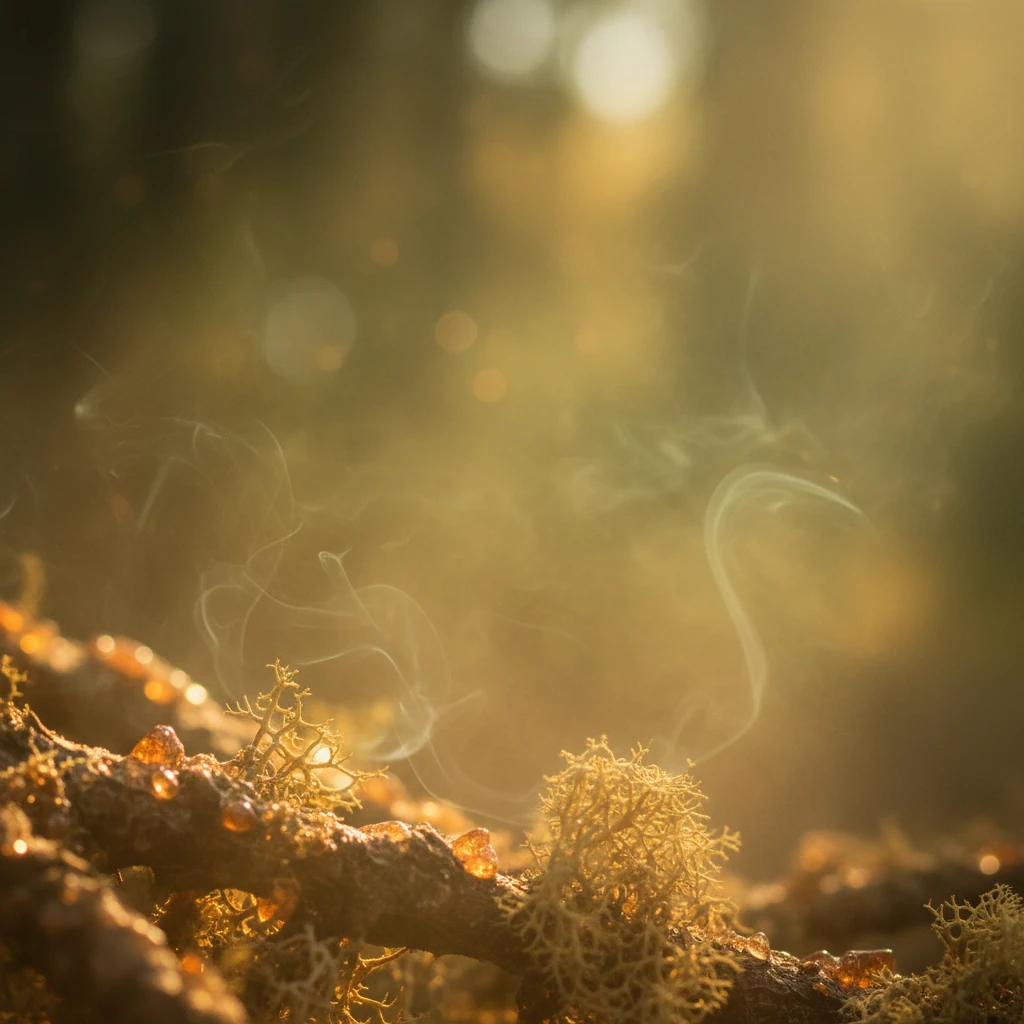
Earthy fragrances are the olfactory equivalent of a long, quiet walk through a British woodland just after the rain has stopped. They don’t shout for attention with sugary sweetness or aggressive florals; instead, they ground you. These are scents that lean into the raw, the damp, and the mossy—capturing that specific, evocative aroma of petrichor and ancient roots.
For the Lavender Thorne woman, an earthy scent is often a palette cleanser. It’s for the days when you want to feel substantial, connected, and entirely yourself. There is a quiet sophistication here that feels more "old money" than "new launch," a sort of effortless cool that suggests you don't need to try too hard to be noticed. Whether it’s the smell of crushed leaves or the dark, mineral edge of a damp stone wall, these fragrances are about texture and atmosphere rather than simple prettiness.
Understanding the Earthy Family
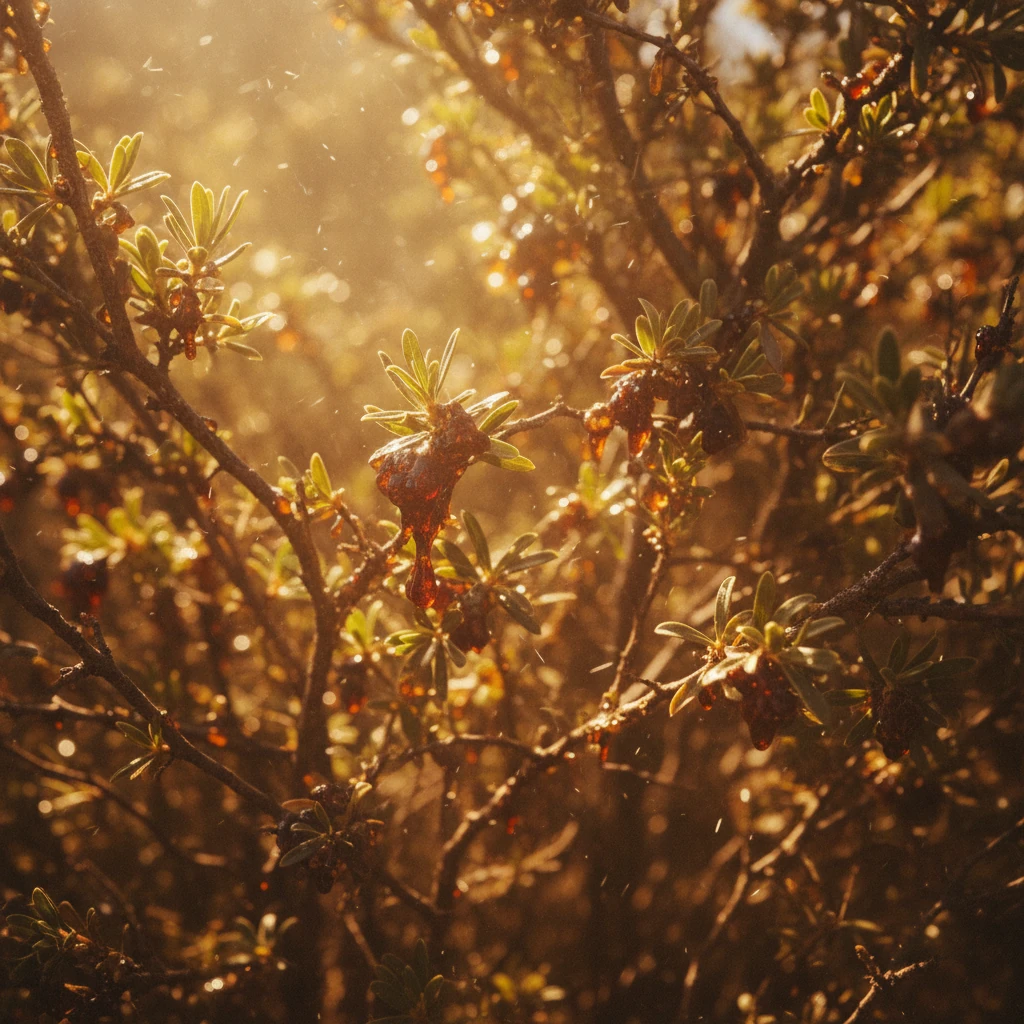
To navigate the earthy family, you have to get comfortable with its heavy hitters. Vetiver is the backbone of the category—a perennial grass that can swing from bright and citrusy to smoky and leathery depending on how it’s treated. It’s clean but with a definite grit. Then there’s patchouli, which has moved far beyond its 70s "head shop" reputation. In modern perfumery, it provides a dark, chocolatey, and slightly "dirty" depth that gives a fragrance its soul.
More niche profiles introduce soil notes—which literally mimic the scent of fresh earth—and truffle, which adds a meaty, savoury, and undeniably luxurious funk. These notes are notoriously temperamental on the skin. Earthy fragrances are "alive"; they react deeply to your skin chemistry. What smells like a damp cellar on paper might bloom into an intimate, warm, and spicy skin-scent once it warms up on your pulse points. They tend to have incredible longevity, lingering on a wool coat or a silk scarf for days, slowly softening into something that feels like a natural extension of your own scent.
When to Wear Earthy Fragrances
While many instinctively reach for earthy scents during the crisp transition into autumn or the damp days of winter, they are surprisingly versatile. There is something incredibly chic about wearing a sharp, vetiver-heavy scent on a humid London afternoon—it cuts through the heat with a cooling, mineral edge.
For evening, the "darker" earthy notes like patchouli and truffle create a sense of mystery that feels more intellectual than a standard vanilla-heavy gourmand. Wear them when you want to feel grounded for a big meeting, or when you’re craving a "main character" moment that feels understated rather than performative.
Buying Guide
Earthy fragrances are rarely "safe" blind buys because they are so subjective. What one person finds grounding, another might find too literal. When shopping, look for the balance: if you’re new to the category, look for "earthy-florals" where moss or vetiver sits underneath a more familiar rose or iris. This bridges the gap between traditional beauty and raw nature.
In terms of price, you’ll often find the most authentic earthy profiles in the mid-to-high-end bracket, as high-quality natural vetiver and patchouli oils are costly to source. If a scent feels too "flat" or synthetic, it’s likely missing that essential complexity. For a bespoke touch, try layering: an earthy base works beautifully under a bright citrus or a delicate floral, adding a "roots-in-the-ground" weight to an otherwise fleeting top note. It’s the easiest way to make a mass-market scent feel entirely yours.
Not quite right?
Maybe you want the opposite vibe entirely — aldehydic is about as far from earthy as you can get. Or let us narrow it down for you.